
Research
What RENT Can Teach Us About Health

My path to HIV research
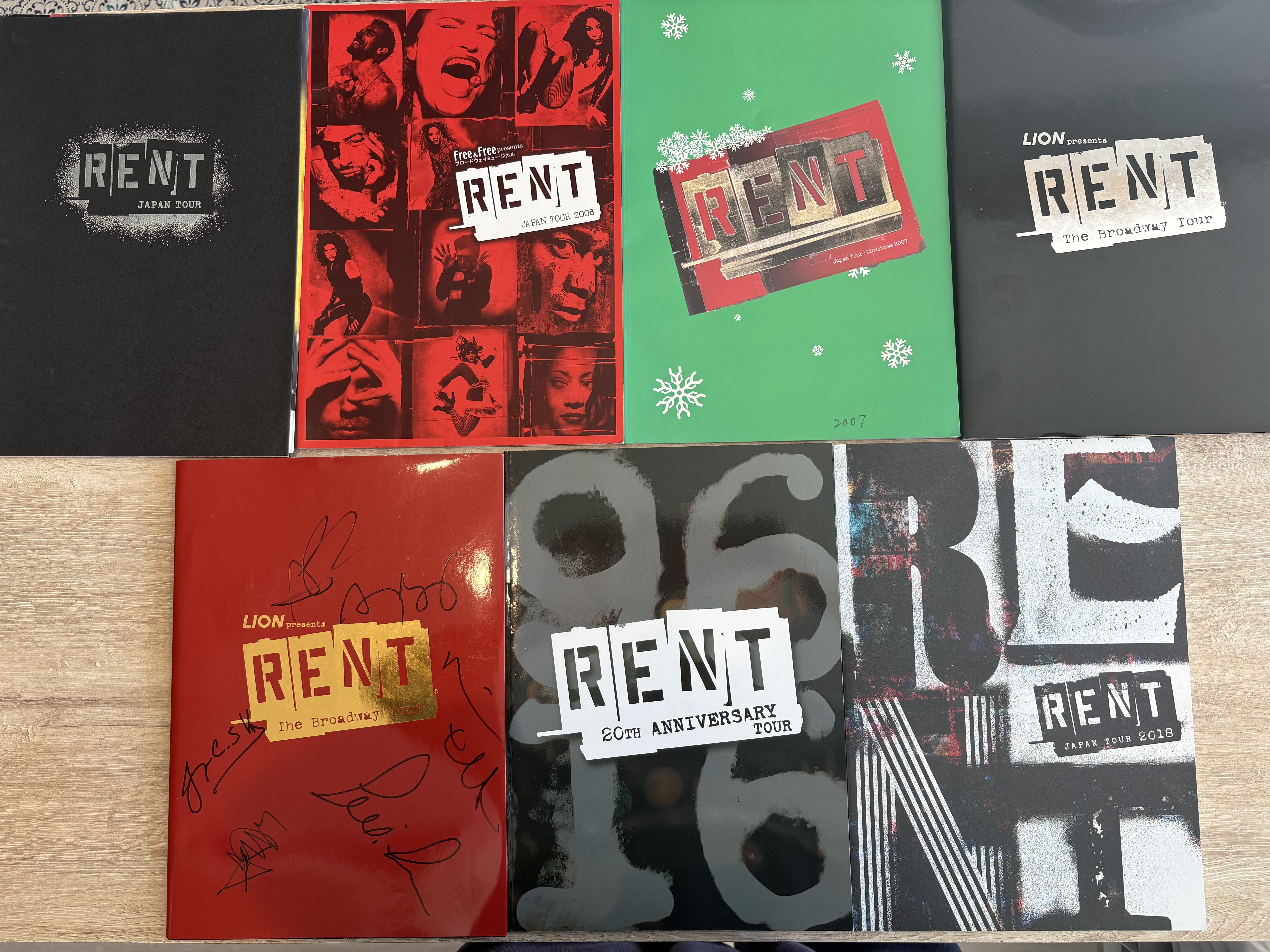
RENT premiered on Broadway in 1996; a film adaptation followed in 2005. Set in New York City in the late 1980s and early 1990s, it explores sexuality, drug use, and the devastating impact of HIV/AIDS. The title itself reflects the characters' struggle to pay rent while navigating these challenges.
I first watched RENT when I was 16, and it left a deep mark on me. The show touches on many complex issues—sexuality, addiction, poverty—but what resonated most was the HIV epidemic as an underlying force shaping so many other parts of the characters' lives.
That experience sparked a drive to contribute to the fight against infectious diseases. For me, it was never only a scientific puzzle; it was about making a meaningful impact. That motivation is a thread through my work today in infectious disease modeling and public health.
Health is never just one disease at a time
In public health, we often study conditions one at a time. In RENT—and in real life—no one experiences HIV in isolation. It intertwines with mental health, substance use, poverty, housing instability, and relationships.
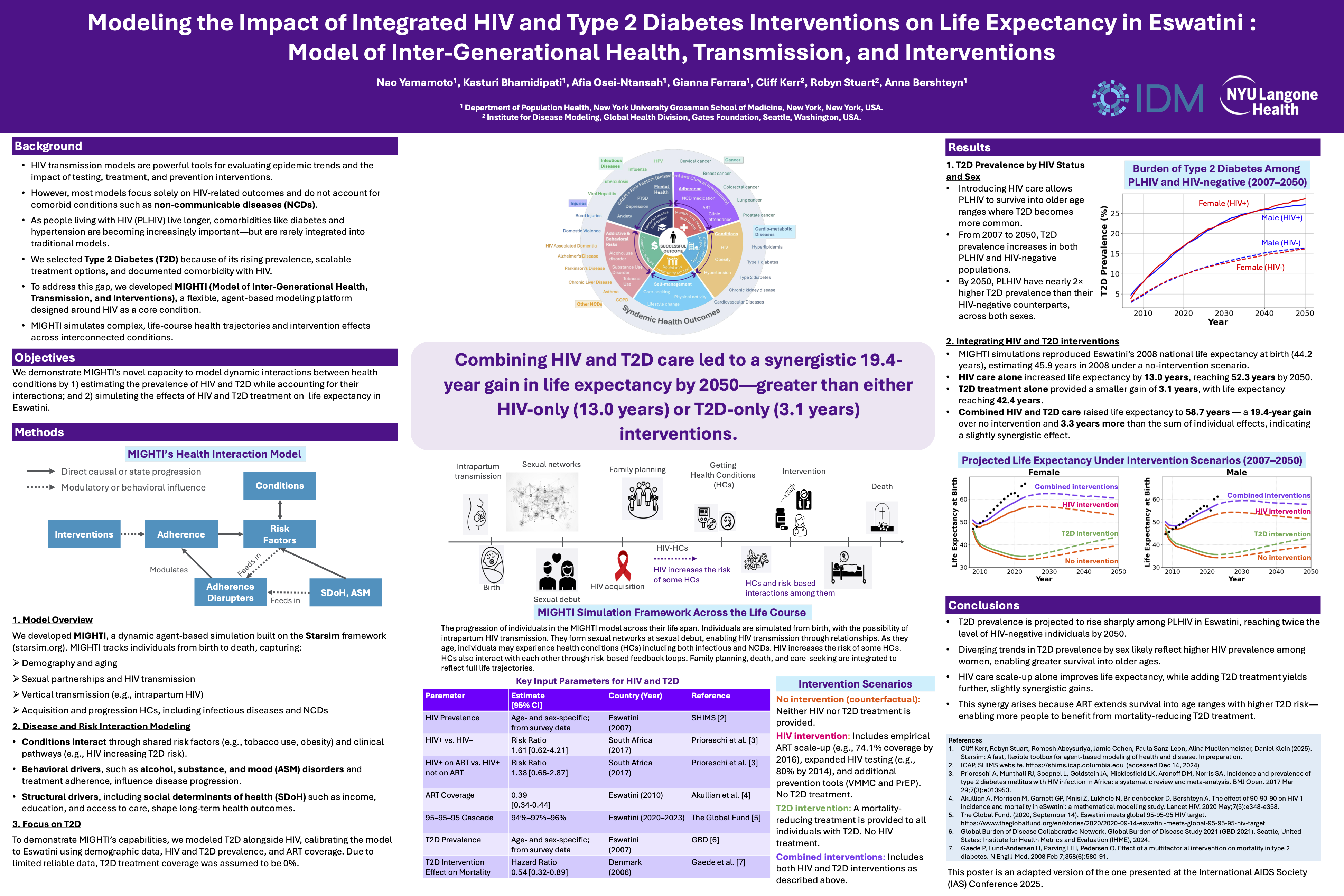
MIGHTI (Model of Inter-Generational Health, Transmission, and Interventions) is an agent-based model that simulates multiple diseases and the complex challenges people face from birth to death.
Stories on stage, patterns in data
Mimi is living with HIV, struggling with addiction, and without stable housing—challenges that make it harder to stay in care, take medication, and protect her health. Roger is also living with HIV, grieving the loss of his girlfriend to AIDS, and living with depression; even when treatment exists, depression can make it harder to show up for care and stay connected. Mark is HIV-negative but watches his friends suffer—grief and loneliness affect his health too.
These are not only stories. They reflect real patterns in health data. MIGHTI simulates a full population (for example, NYC from 2000 to 2050), tracking how HIV, depression, and substance use interact with social factors such as housing and access to care. Each simulated person has a life course: Are they stably housed? Do they have depression? Are they in treatment? We then ask who gets better, who falls through the cracks, and what changes when we intervene.
What we learn from the model
We have tested scenarios including status quo, mental health and substance use treatment, and combined approaches that add supportive housing. Parameters are grounded in local data—from HIV surveillance, behavioral health studies, and housing research.
A consistent lesson: treating HIV alone is not enough. Housing support and behavioral health care can improve adherence, reduce hospitalizations, and save lives.
MIGHTI does not only ask whether a treatment works in theory. It asks whether a person has what they need to successfully complete treatment—because health is not only about a virus. It is about housing, community, and whether you have the strength and support to try again.
Poster Gallery
Explore our collection of research posters below for detailed insights into our studies and findings. Click on any poster for an enlarged view.
Society for Mathematical Biology (2021)

MIDAS Network Annual Meeting (2022)
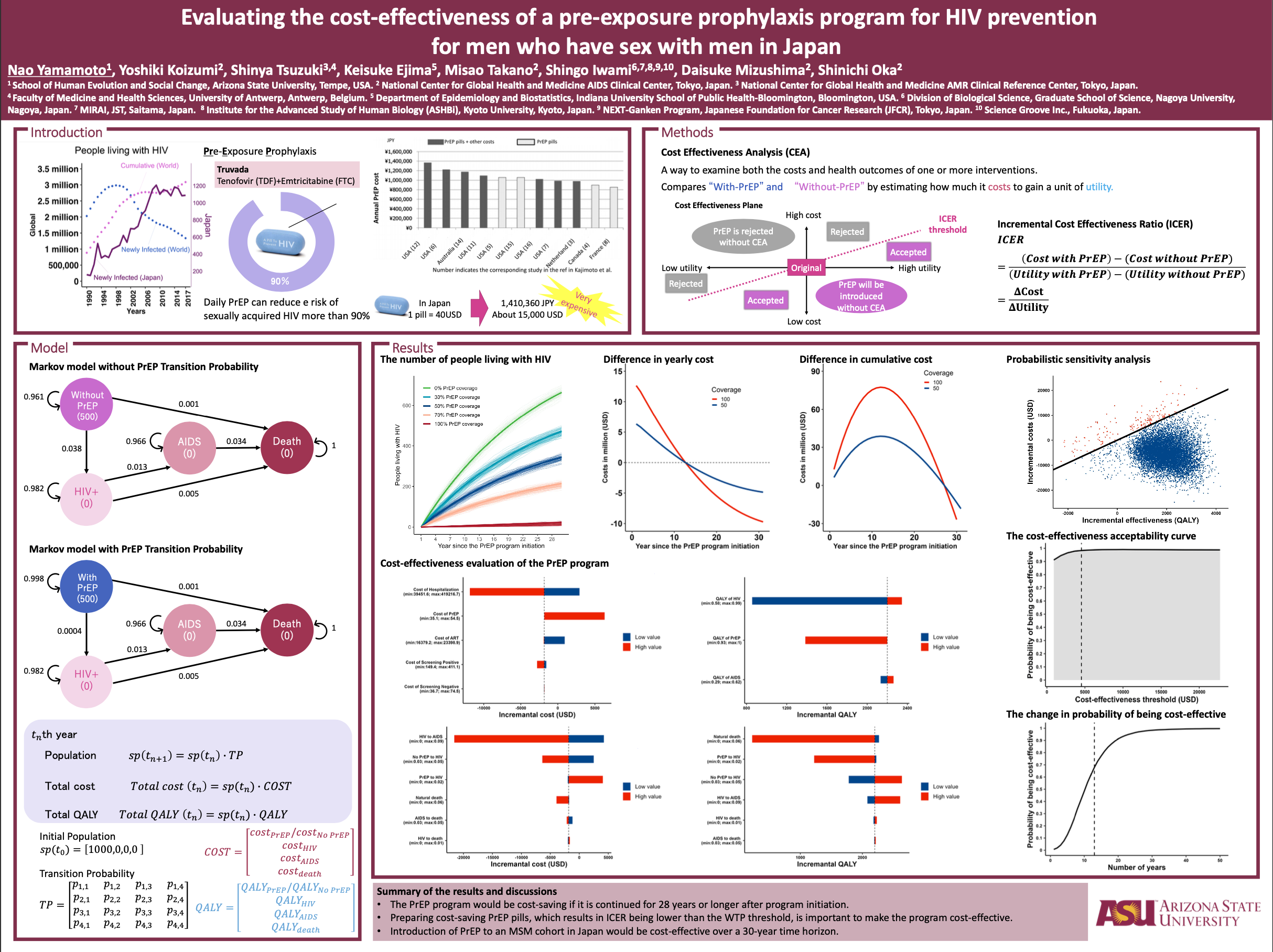
Graduate Student Poster Contest, ASU (2023)
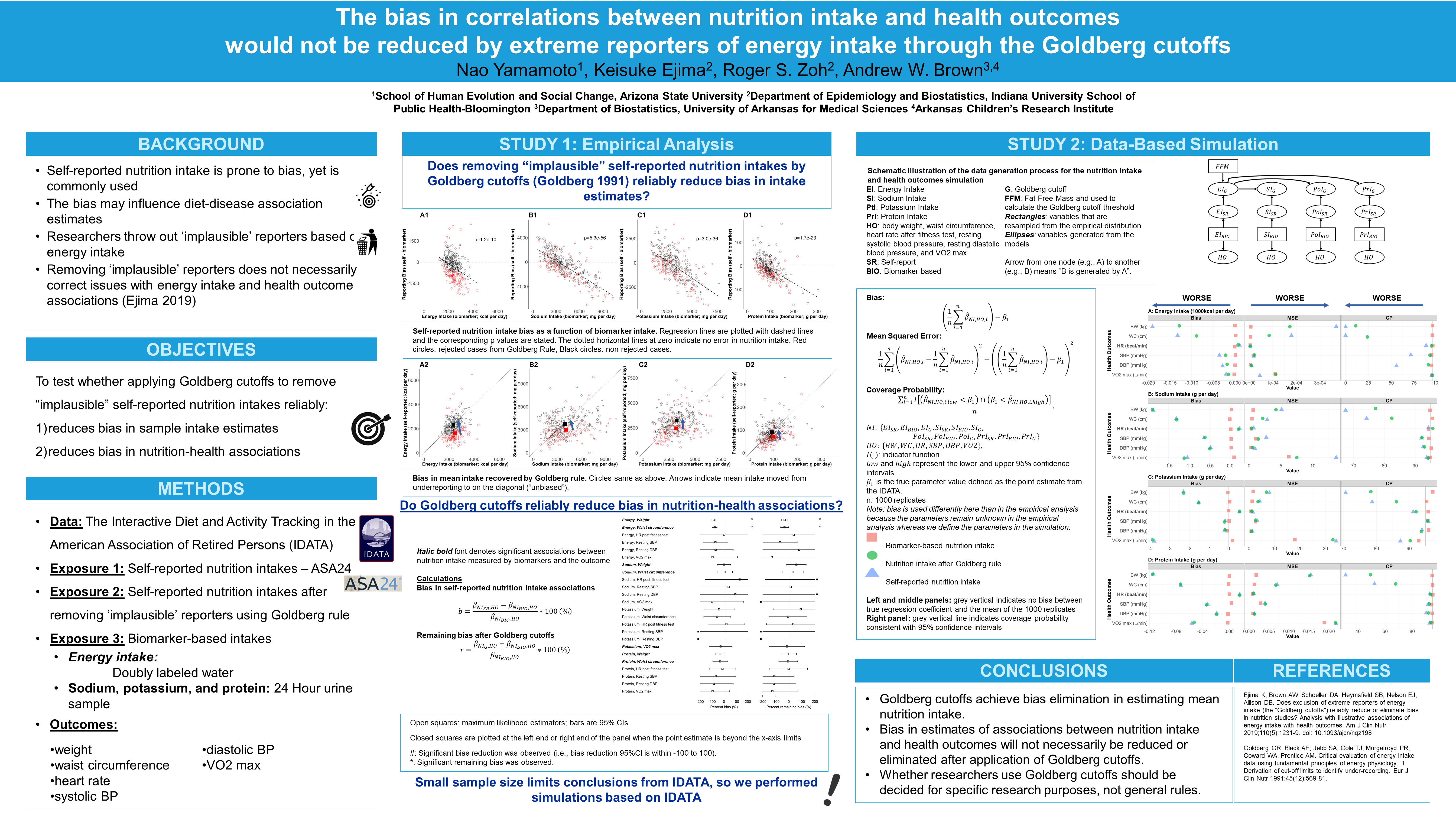
New York City Epidemiology Forum (2024)
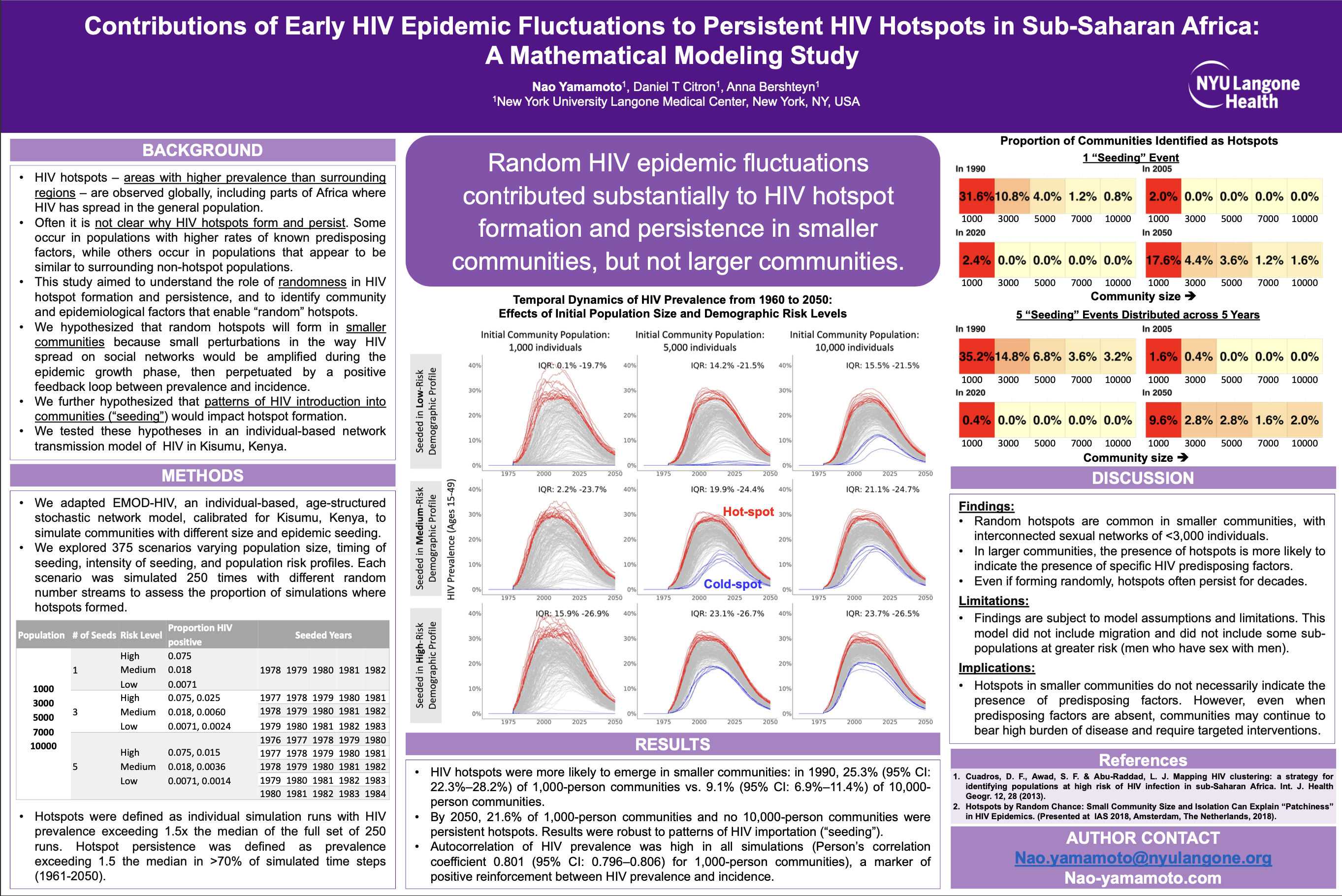
IAS 2025 (2025)
DPH Trainee Day (2026)
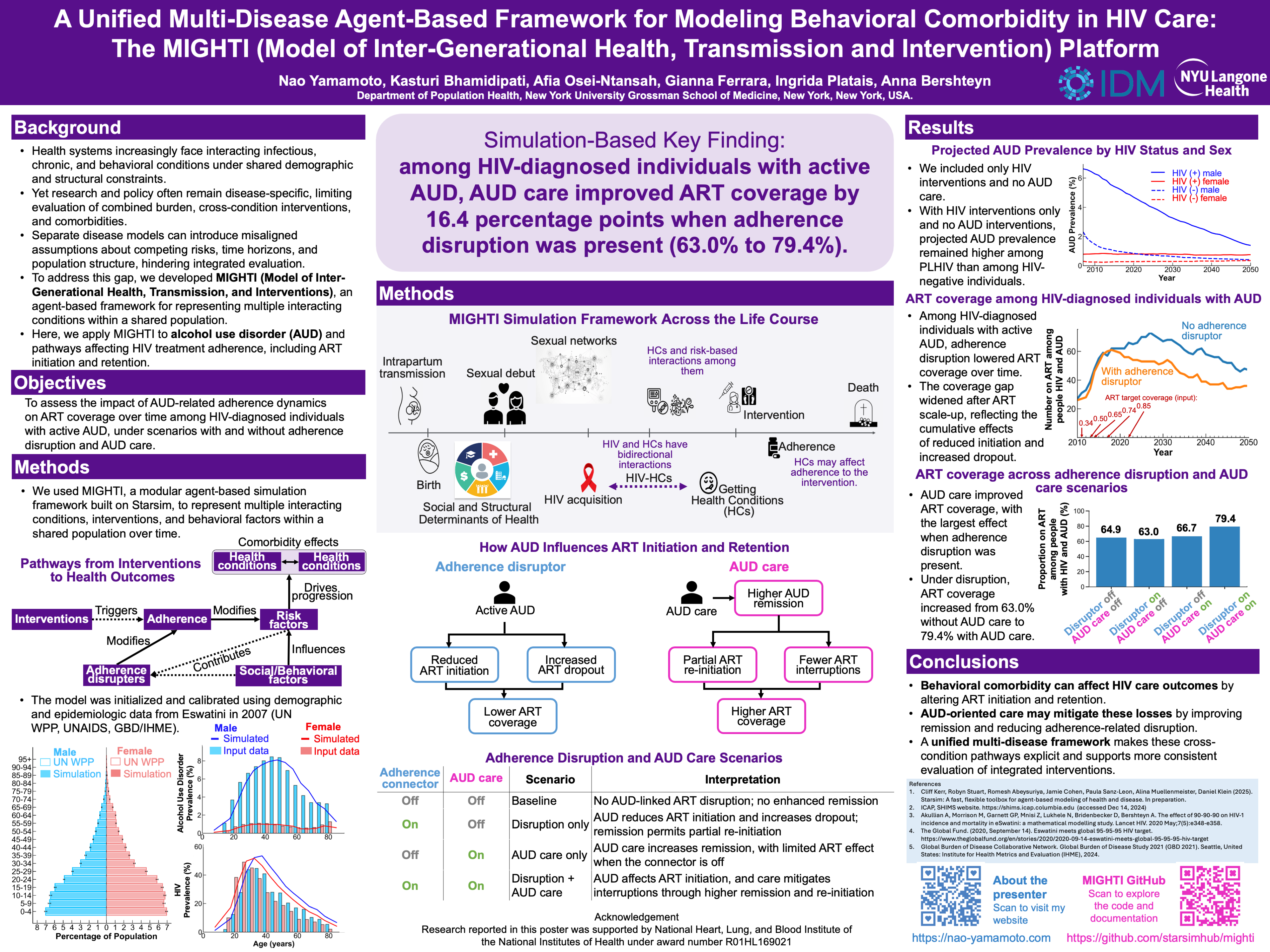
Received the top score in category.